
Gouda: The City Behind the Cheese

Gouda is a small, picturesque city located just south of Amsterdam. It looks typically Dutch with its canals and narrow streets. Then, of course, there’s the lively central square where the traditional Gouda cheese market takes place every Thursday morning during the spring and summer months.

Say Cheese! The Market Square
On market days, the bustling square is the centerpiece of the city. You can browse market stalls that showcase local crafts, such as cheese making and wooden shoe carving.
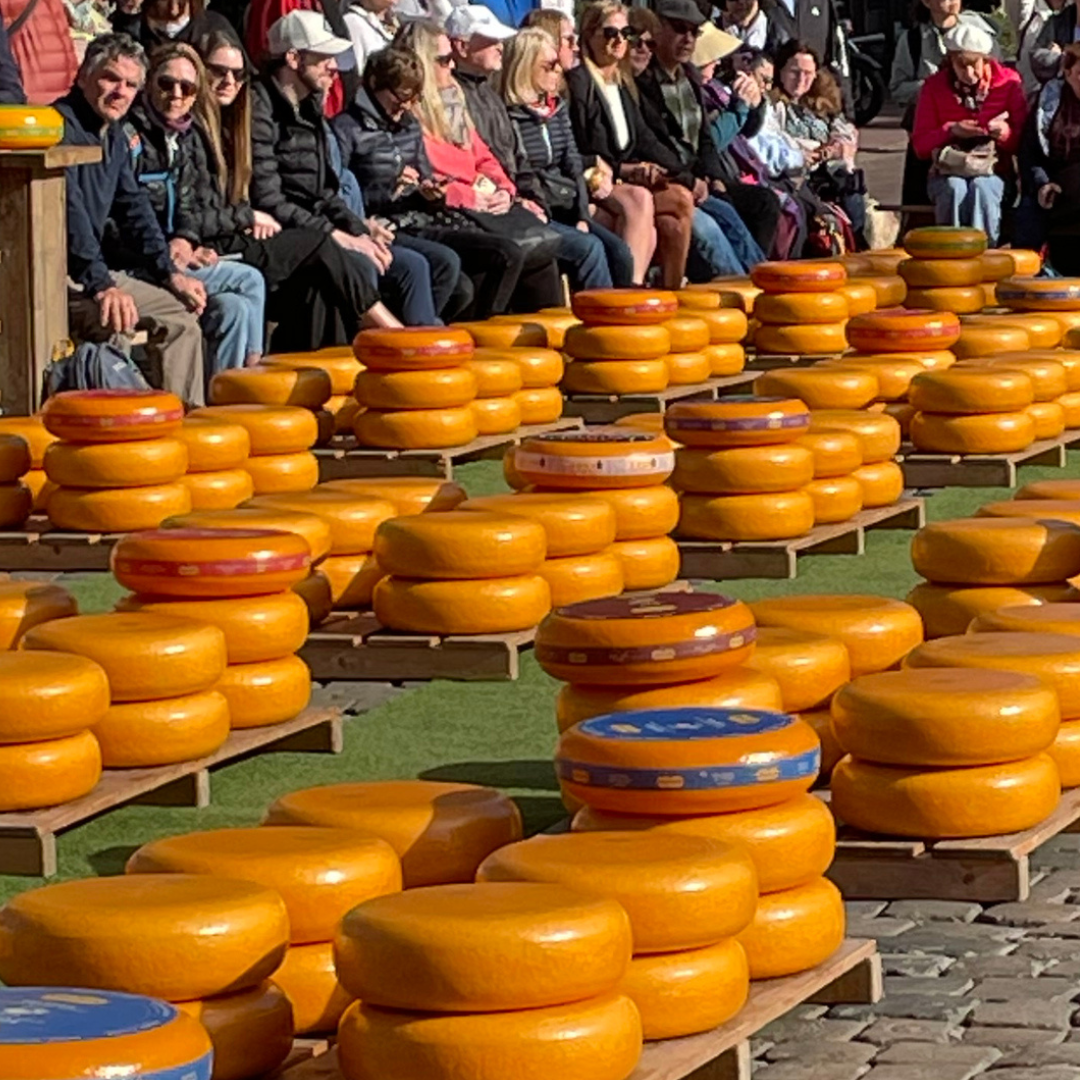
But the real show takes place between the ornate town hall and the old weighing house known as the waag. This area is lined with piles of big, beautiful orange wheels of Gouda cheese. And this is where all the action takes place.
This cheese market is basically a living historical reenactment of cheese-trading rituals that have been taking place here for centuries. You’ll see horse-drawn carts, traditional hand-slapping price negotiations, and lots and lots of cheese.


Market Origins in the Middle Ages
The story of the Gouda cheese market begins in the Middle Ages. By the 14th century, Gouda had been granted the right to hold a market and the exclusive right to weigh and sell any cheese produced in the area. So, if local farmers wanted to sell their cheese, it had to be done in Gouda.

The Big Cheese
Cheese was one of the region’s most valuable commodities. And it wasn’t simply food – it could even be used as money. Farmers could use cheese to pay their taxes or settle debts. So those who owned big wheels of Gouda, really were the Big Cheese!
Cheesy Rituals
There were rituals and traditions that had to be followed in the buying and selling of cheese.

Potential buyers might tap the cheese to listen for the right sound, or they could make a little hole in it to check the aroma, have a taste, and make sure all was as it should be. Only when they were satisfied could the price negotiation begin.

Handslap Bargaining
Buyers and sellers used a handslapping system known as handjeklap. They would slap each other’s hand each time they named a price. Of course, the seller would be throwing out higher prices and the buyer calling out lower ones. When they would finally come to an agreed price, there would be the final big slap and a shake. This was a binding agreement.
Buying Cheese Was a Weighty Matter
Once the deal was done, the cheese porters would load the cheese into a horse-drawn cart and take it to the weighing house where the official scales were located. This ensured that everything was on the up and up.

Decline and Revival
Like many traditional markets, Gouda’s heyday faded with the rise of industrialization. Factories, trains, and modern distribution gradually replaced the central market and in-person trading.
But fortunately, Gouda didn’t let its story and traditions disappear.

The Market Today
Today, the Gouda cheese market has been reborn as a colorful, historical reenactment where centuries-old traditions come to life. Visitors can see orange cheese wheels stacked on wooden pallets laid out in neat rows, traders reenact handjeklap negotiations, and cheese porters load up horse drawn wagons to carry the orange wheels of cheese to the weighing house just as they did centuries ago.

The Gouda cheese market is part market, part theatre, and entirely charming. It’s keeping a part of Holland’s history alive – hopefully for many generations to come.

More Cheese: Other Cheese Markets
Gouda isn’t the only cheese market you can visit in the Netherlands:
- Alkmaar – Has the largest and most famous cheese market.
- Gouda – You know all about this one from the above article.
- Edam – A smaller market.
- Woerden – An authentic market with fewer tourists.
- Hoorn – Has occasional cheese market events.

A Taste of Dutch History
A visit to a Dutch cheese market is a step back in time and a chance to experience traditions that have lasted for centuries.
Whether you visit Gouda, Alkmaar, or one of the smaller markets, you’re sure to enjoy it. So, if you find yourself near one of these historic markets, be sure to stop by, soak up the atmosphere, and enjoy one of the Netherlands’ most cheesy traditions.
Have you visited any cheese markets? Or do you plan to? I’d love to hear about it in the comments section.
If you enjoy strange and lesser-known stories from history, make sure you’re subscribed (at the top or bottom of this page) – and feel free to share this with a friend who might enjoy it too.


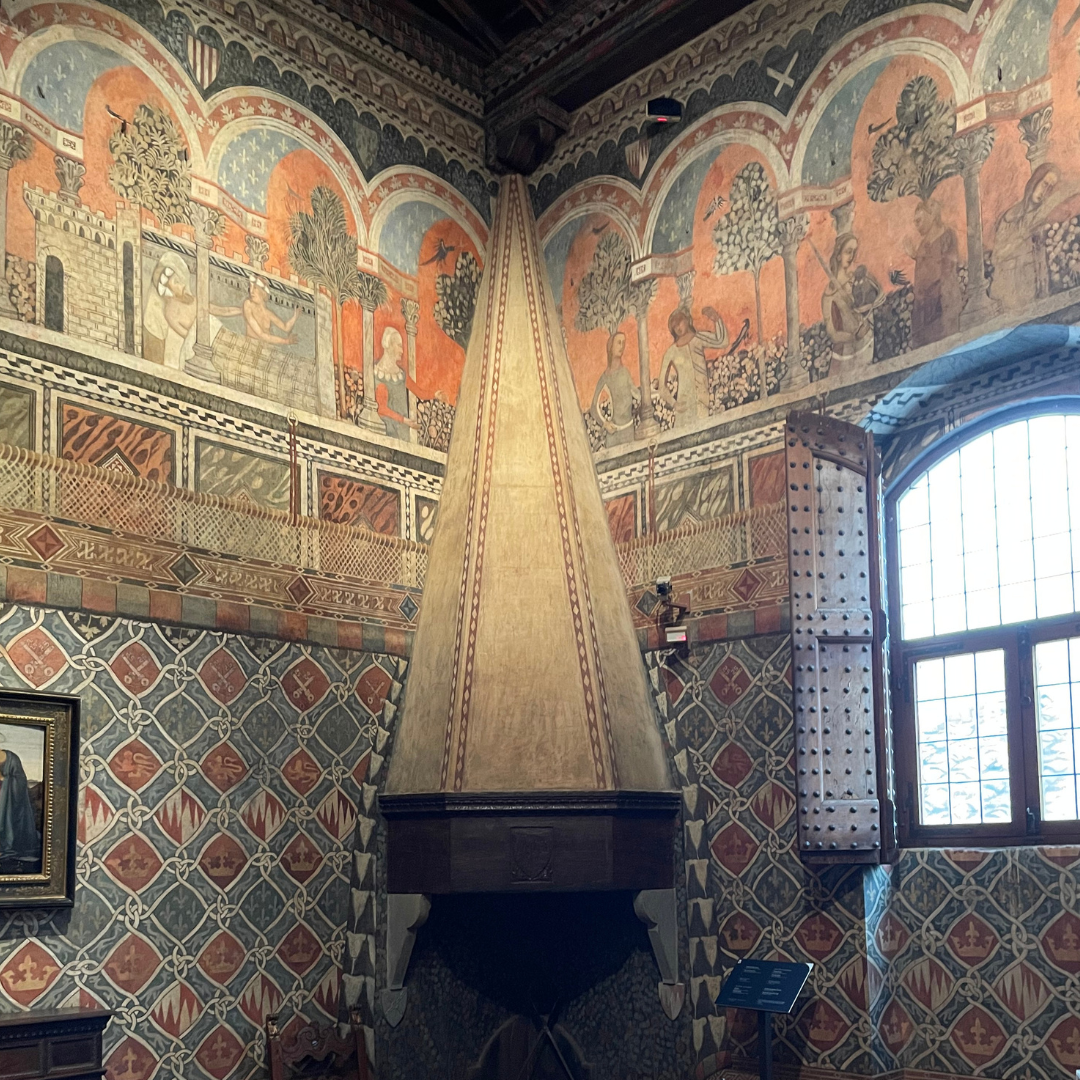
- A Tragic Medieval Bedtime Story: The Chatelaine of Vergy – 18 September 2026
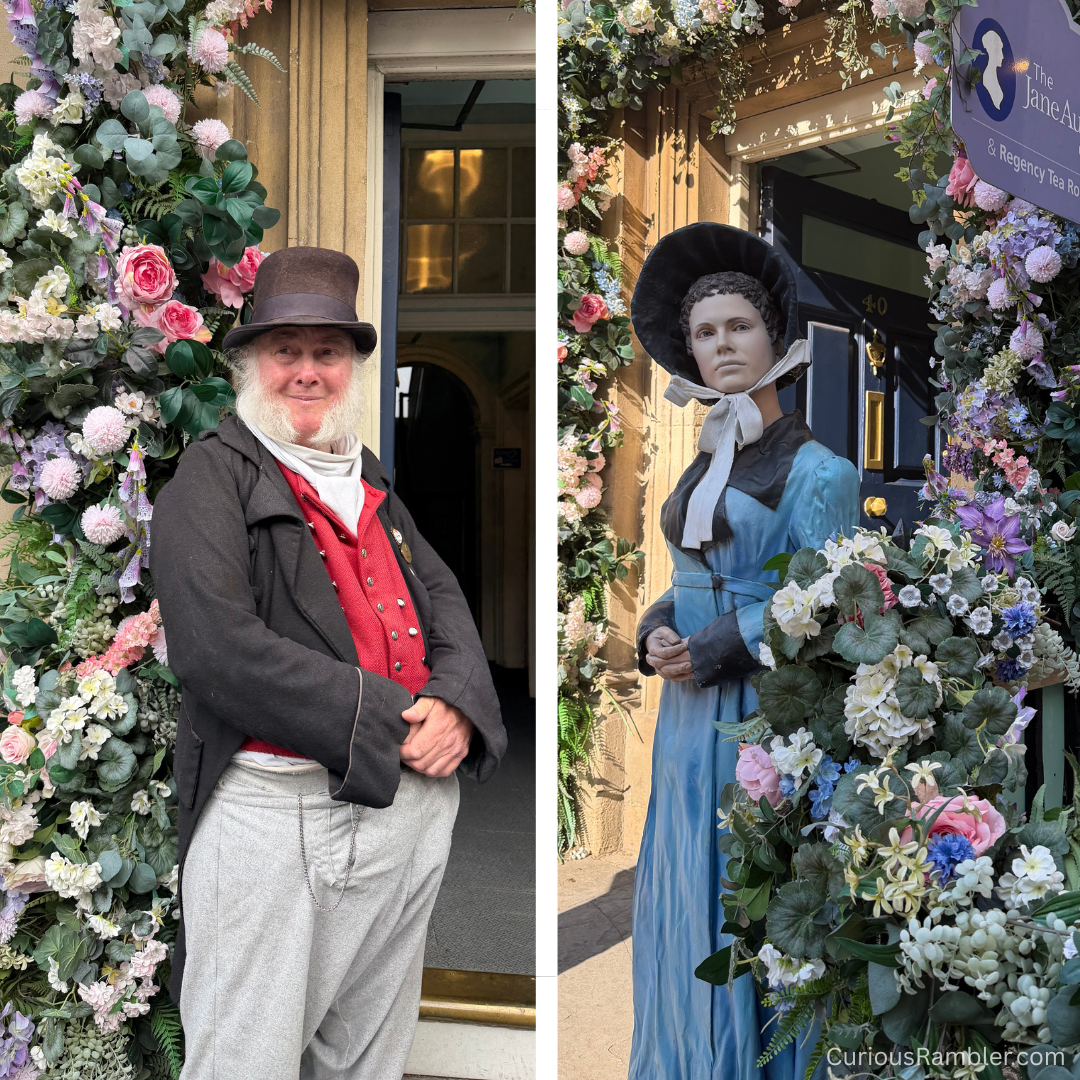
- Bath’s Jane Austen Festival: Books, Balls, and Bonnets – 5 September 2026
- Curious History Review: September 2026 – 3 September 2026


COMMENT HERE: Can't wait to hear what you think… (email not required)