
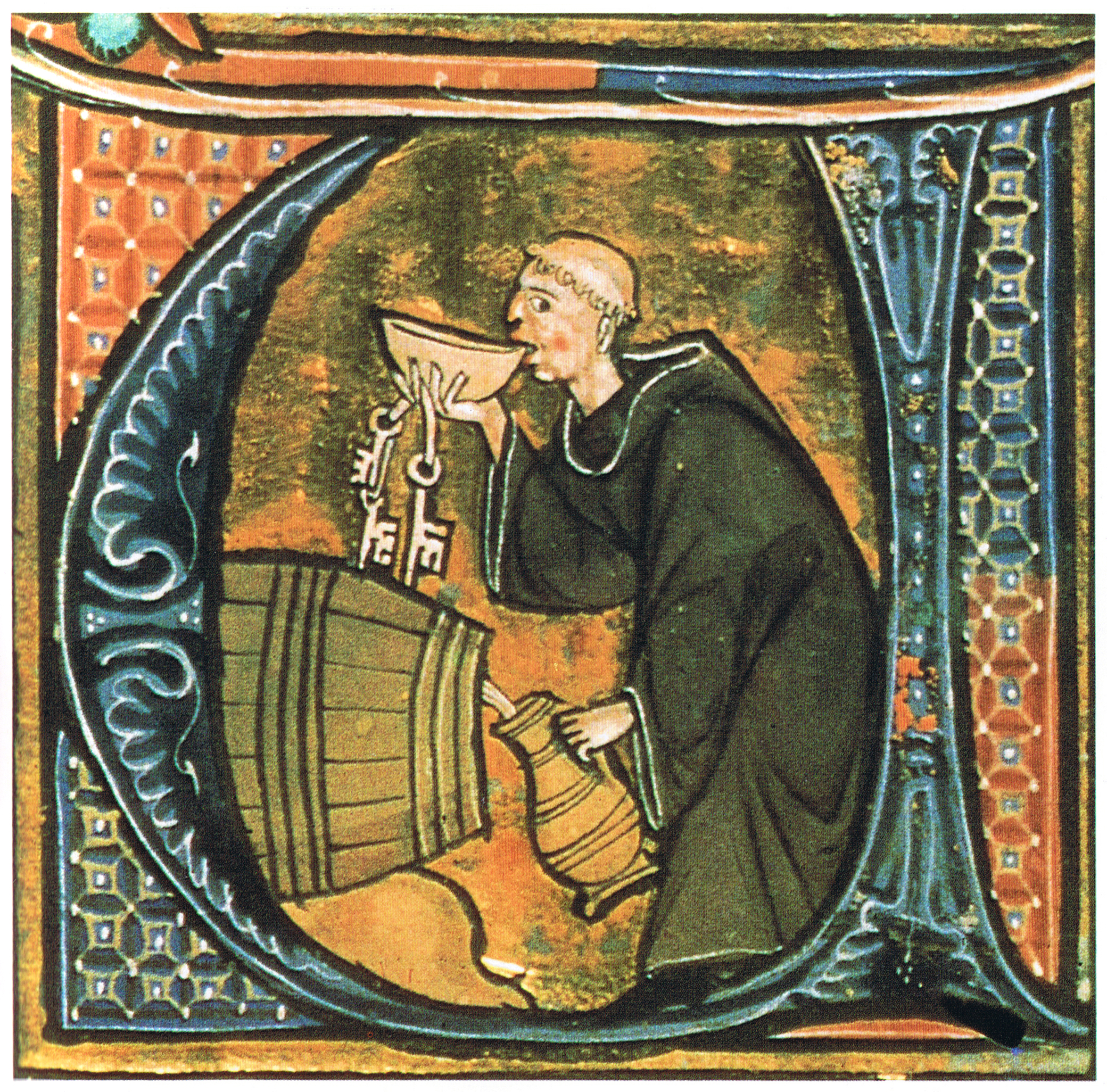
Documents discovered in a former Florentine pharmacy show that monks there once made and sold a “restorative drink” containing coca leaves and kola nuts.
Coca and kola… Does that combination ring any bells? If it brings to mind the world-famous American drink in the red can, you are on the right track.
While the American recipe was well marketed and became a brand recognized around the world, it wasn’t the only such drink. In the late 19th and early 20th centuries, there were similar drinks being produced in France, Spain, and now we have evidence of another in Florence, Italy.

Florence, Italy and the Drink Made by Monks
Were 19th-century Florentines drinking Coca and Kola?
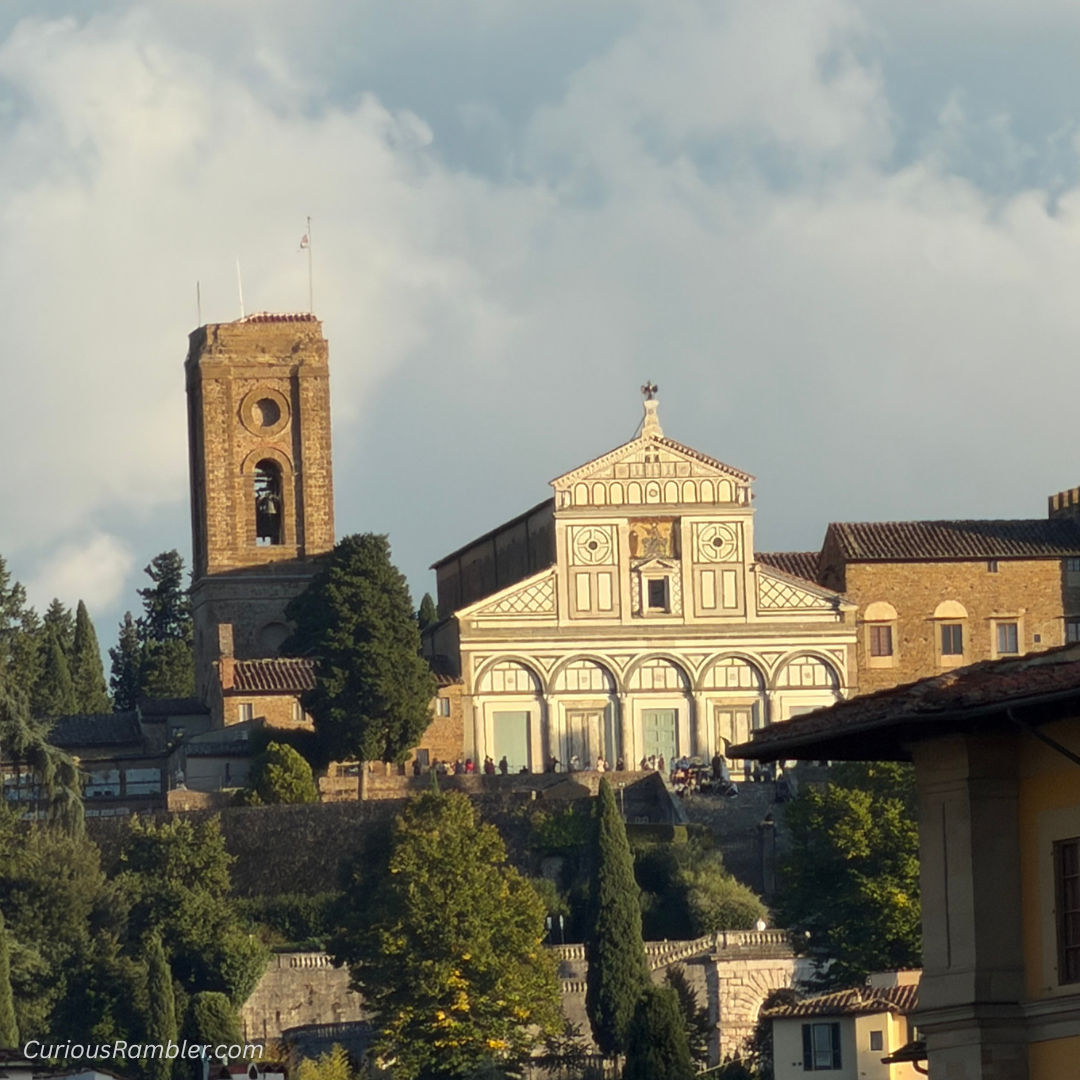
Recently, Padre Russo was organizing the archives of the old pharmacy attached to San Marco Monastery in Florence, when an unusual piece of old wrapping paper caught his attention. Printed on one side was an advertisement for one of the pharmacy’s products – a “restorative wine elixir” containing coca leaves and kola nuts.
The advertisement appeared to be from the late 1800s to early 1900s and showed that the drink was sold as medicine. It claimed the drink could rapidly restore physical and intellectual strength as well as relieve symptoms resulting from illness, age, extraordinary exertion, and more.

This intriguing find led Padre Russo to look for more mentions of this coca-and-kola medicine in the pharmacy archives. Along with some original labels and empty bottles, he discovered that it had been one of the pharmacy’s best sellers from the late 19th into the early 20th century, and that the pharmacy continued to sell this formula at least until the 1930s.
It wasn’t unusual for Italian monasteries to have pharmacies and medicinal gardens. Through them, they cared for sick monks, pilgrims, and the local communities with medicines made from locally-grown herbs and imported plants.

Wine + Coca Leaves + Kola Nuts
So, what did this Florentine elixir contain? The ingredient list was quite simple: wine, Bolivian coca leaves, and kola nuts. The coca leaves had a small amount of cocaine in them, and the kola nuts were a source of caffeine. So, it seems that wine, cocaine, and caffeine made the perfect medicine for whatever ailed you. Even if it didn’t actually cure your illness, it made you feel better for a while.
More Early Formulas
Florence wasn’t the only place selling this type of tonic. Similar drink formulas were evolving in other countries as well.
FRANCE – Wine Coca for the Famous
Wine + Coca
The first version of this drink had only wine and coca (the kola would come later). Around 1863 in France, Angelo Mariani developed a medicinal formula called Vin Mariani which combined Bordeaux wine and coca leaves.
Mariani collected many testimonials from well-known people touting the merits of his tonic. These included the likes of Thomas Edison and two popes, along with royalty, politicians, actors, and other famous folk. This popular drink seems to have inspired John Pemberton’s French Wine Coca (the precursor to Coca-Cola).

Kola Nuts Come on the Scene
During the late 1880s kola nuts began to show up in European medicinal preparations and were recognized for their caffeine content. Some pharmacies and distilleries began to think about adding kola nuts to their “wine coca” and turning it into wine + coca + kola.
SPAIN – Kola-Coca
Alcohol + Coca + Kola
In 1885, one such distillery in Spain created Nuez de Kola-Coca which contained coca leaves and kola nuts in a liqueur base. According to local legend – but not confirmed by Coca-Cola – the American company bought the rights to the Spanish company because of the confusingly similar name. The original Spanish makers were allowed to continue producing Kola-Coca only in the alcoholic version.
ITALY – Meanwhile, Back in Florence…
Wine + Coca + Kola
This is probably about the same time the monks back in Florence also began adding kola nuts to their wine and coca formula to create their “restorative wine elixir” that was advertised on the recently-discovered wrapping paper.
US – French Wine Coca
Wine + Coca + Kola
At around the same time that the Spanish and Italians were developing their formulas, an American pharmacist from Atlanta called John Pemberton came up with his own medicinal drink. It was called Pemberton’s French Wine Coca – seemingly inspired by France’s version. His recipe contained wine, coca leaves, and kola nuts with the addition of damiana – which is believed to be a nerve tonic, stimulant, and aphrodisiac.

Pemberton’s New Formula
However, just one year after his French Wine Coca came out, John Pemberton could tell that trouble was brewing. Atlanta was preparing to introduce prohibition, which would make his wine-based tonic impossible to sell.
He wouldn’t wait for that to happen; he went ahead and changed his formula. He made a non-alcoholic version, substituting carbonated water and sugar for the wine.
From Coca and Kola to Coca-Cola
He named his new drink after the two most distinctive ingredients: Coca leaves and kola nuts. Pemberton’s partner, Frank Robinson suggested that for marketing purposes “Coca-Kola” would look better as “Coca-Cola,” and so it has been ever since.
The new version was alcohol-free, but it was not cocaine-free. The coca-leaf extract still contained a small amount of cocaine which was gradually reduced over the years. By around 1903, Coca-Cola was using coca leaves from which the cocaine had been removed.
This new and improved drink was no longer marketed as a medicine, but simply as a “delicious and refreshing” soda fountain drink.

The First Coca + Kola
So who first thought of putting coca and kola together? The truth is, we simply don’t know.
The Florentine discovery serves to point out that this combination wasn’t necessarily one person’s brilliant invention, and it didn’t take place in just one location.
In the late 19th century, coca and kola were both fashionable medicinal stimulants, and pharmacists in different countries were experimenting with them at the same time.
France had its coca wine. Spain had its Kola-Coca liqueur. Atlanta had John Pemberton’s Coca-Cola. And now we can add Florence’s elixir to the list.
However, if it were a contest, I think we all know who the winner would be…
Did any of these “restorative” ingredients surprise you? I’d love to hear about it in the comments.
If you would like to read more stories like this, subscribe and follow my blog – and feel free to share this with a friend who might enjoy it too.


Follow Me on Social Media:

- Curious History Review: November 2026 – 5 November 2026
- Michelangelo’s Secret Room in Florence: A Hiding Place Beneath the Tombs – 5 November 2026
- Why Michelangelo Hung Mattresses from a Bell Tower – 26 October 2026


COMMENT HERE: Can’t wait to hear what you think… (email not required)